The prolonged patent examination process remains a major concern for many inventors and enterprises looking to enter the Vietnamese market. Having to wait years for a patent grant can lead to missed commercialization opportunities or render the technology obsolete before it even receives protection.
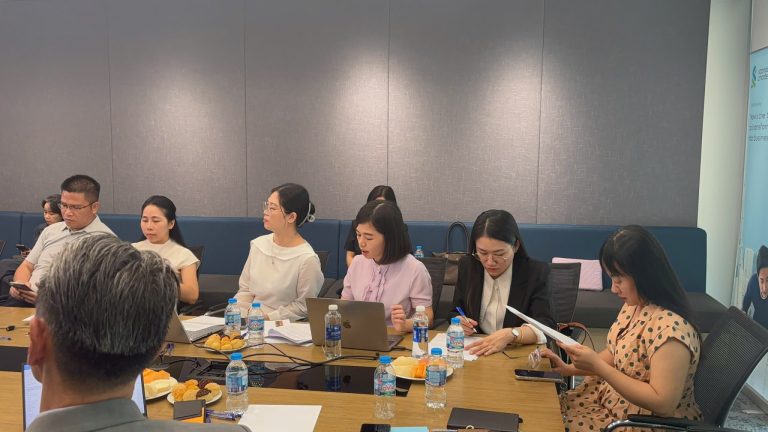
To provide readers with a comprehensive overview of this procedure as well as effective mitigation strategies, Dân Việt Newspaper conducted an in-depth interview with Mr. Nguyen Thanh Ha – Chairman of SBLAW Law Firm.
1. The Reality of Patent Registration Timelines at the IP Office of Vietnam (IPVN)
Reporter: According to current regulations, even if all procedures and fees are completed smoothly, applicants still have to wait up to 38 months (over 3 years) to obtain a patent. Meanwhile, a patent is only valid for 10 to 20 years. Could this lead to cases where the technology is already obsolete by the time mass production begins, or where counterfeiters have already reaped massive profits?
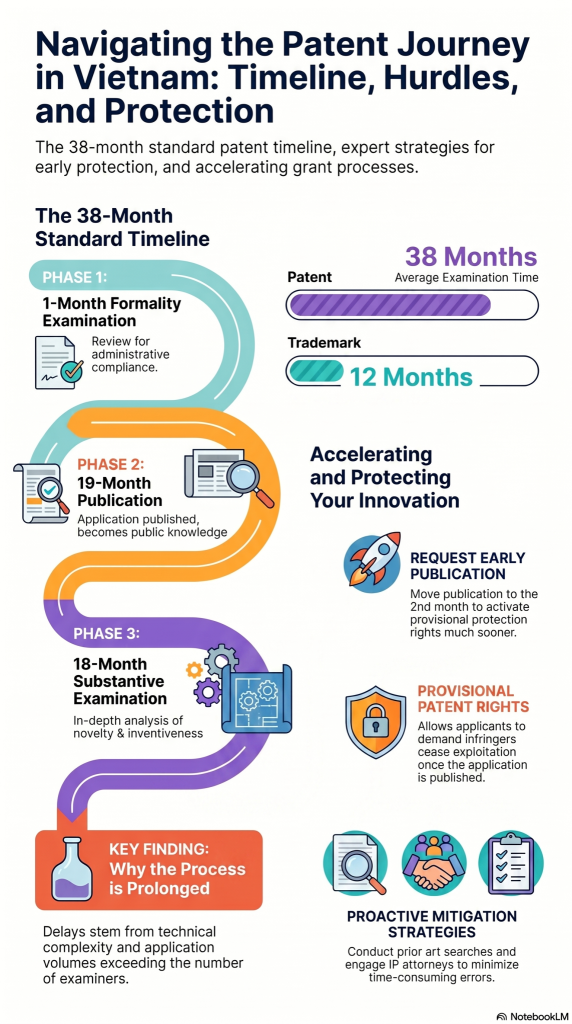
Lawyer Nguyen Thanh Ha: Under the Intellectual Property Law of Vietnam, the standard examination process for a patent application undergoes the following core phases:
-
Formality examination: 01 month from the filing date.
-
Publication of the application: In the 19th month from the filing date (or 02 months from the date of acceptance of a valid application, whichever is later).
-
Substantive examination: 18 months from the publication date.
The total examination timeline accumulates to approximately 38 months. Compared to other IP assets like trademarks (which take around 12 months), the patent registration process takes nearly three times longer.
Why is the patent examination timeline so prolonged?
This extensive duration stems from two primary causes:
-
High Complexity: Patent examination requires specialized technical expertise and highly intricate legal assessments. Most intellectual property offices worldwide require a corresponding timeframe to ensure accuracy.
-
Backlog of Applications: Annually, the volume of patent applications filed in Vietnam grows exponentially, whereas the number of examiners at the Intellectual Property Office of Vietnam (IPVN) has not increased proportionally to match the workload.
2. Temporary Patent Protection Rights: A Lifeline for Applicants
Reporter: Does a waiting period of over three years mean that inventors’ rights are completely unprotected against infringement during this interim stage?
Lawyer Nguyen Thanh Ha: Not necessarily. The lengthy examination process does not prevent inventors from utilizing their technology or stopping third-party infringements, thanks to the Provisional Rights mechanism.
Legal Basis for Provisional Patent Rights:
-
Clause 1, Article 131 of the IP Law: If an applicant discovers that another party is commercially exploiting their invention (without prior use rights), the applicant has the right to notify them in writing. The notice must specify the filing date and publication date to request the infringer to cease exploitation.
-
Clause 2, Article 126 of the IP Law: Any commercial use of the invention during this period without paying compensation under provisional rights regulations will be deemed an act of infringement.
Commercial Exploitation Prior to Patent Grant:
Once a patent application is officially accepted as valid and published in the Industrial Property Gazette, the applicant retains the full right to:
-
Utilize the technical solution in manufacturing and commercial operations.
-
Assign or transfer the rights of the pending patent application to a third party.
Crucial Note: While the applicant can demand that infringers immediately cease using the technology, compensation for damages incurred during the interim period can only be legally claimed after the patent is officially granted.
3. Expert Advice and Strategic Recommendations to Expedite Patent Grants
Reporter: Given these procedural challenges, what advice do you have for inventors, and do you have any policy recommendations?
Lawyer Nguyen Thanh Ha: To optimize timeframes and secure the best possible legal protection, independent inventors and businesses should proactively implement the following measures:
-
Request Early Publication: Instead of waiting until the 19th month, applicants can file a request for early publication. The invention will then be published within the 2nd month from the request date, thereby activating provisional protection rights much sooner.
-
Conduct Prior Art Searches Before R&D: This helps avoid duplicating existing technical solutions, saving significant time, capital, and labor.
-
Engage Professional Intellectual Property Attorneys: Experienced patent attorneys will assist in drafting precise patent specifications and claims from the outset. This minimizes technical errors that lead to office actions or application rejections, which significantly delay the process.
Policy Recommendation: To optimally support the startup and innovation ecosystem, I propose that the IP Office of Vietnam streamlines its workflows and leverages automation technology to reduce the substantive examination phase to 12 months instead of the current 18 months.
4. Professional Patent Registration Services at SBLAW
As a leading accredited Intellectual Property Agent in Vietnam, SBLAW is committed to partnering with global inventors to resolve complex legal hurdles:
-
Conducting comprehensive prior art and patentability searches.
-
Drafting patent specifications and claims in strict compliance with legal standards.
-
Monitoring application status, accelerating procedures, and handling office actions at the IPVN.
Contact SBLAW today to safeguard your intellectual property assets in Vietnam swiftly and securely!