
Question: I am a representative of the HR and legal department of an enterprise. Due to the nature of our work, we regularly perform procedures related to labor, archives, and related internal affairs services. Recently, I learned that the Ministry of Home Affairs has issued Decision 530/QĐ-BNV promulgating the list of administrative procedures amended, supplemented, and abolished pursuant to Resolution 24/2026/NQ-CP. May I ask what the main changes are, how they impact enterprises, and what risks need to be noted if they are not updated in a timely manner?
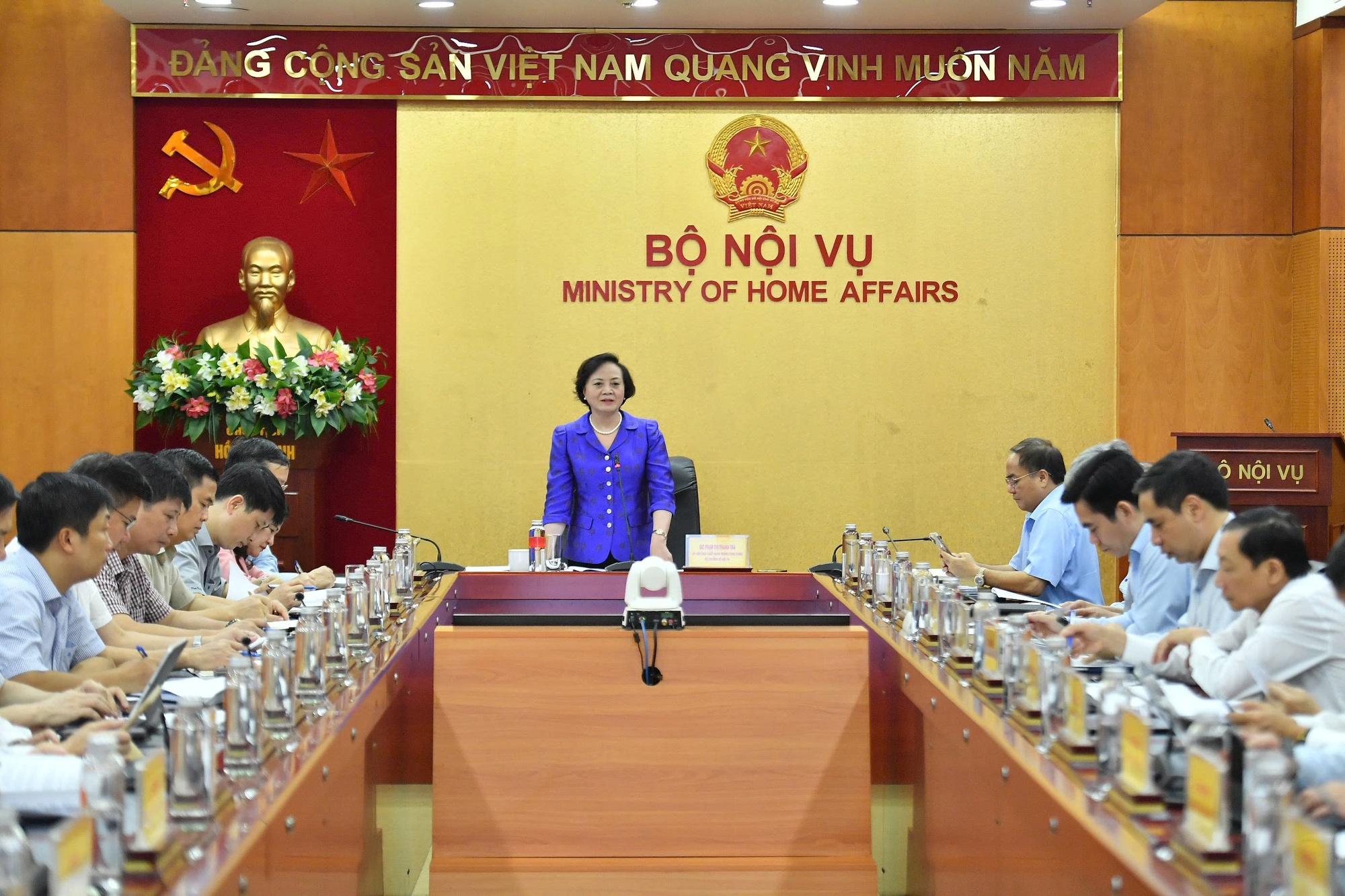
Answer: Below is the detailed advisory regarding the promulgation of the list of amended, supplemented, and abolished internal affairs administrative procedures pursuant to Decision 530/QD-BNV, effective from 14/05/2026:
1. Main contents
Decision 530/QD-BNV promulgates the list of internal affairs administrative procedures under the scope of management of the Ministry of Home Affairs that are amended, supplemented, or abolished based on the general basis of Resolution 24/2026/NQ-CP on the reduction and decentralization of administrative procedures in the field of internal affairs, with the following notable contents:
– Comprehensively reviewing administrative procedures under the scope of management of the Ministry of Home Affairs, including: organizational apparatus, associations/funds, emulation and commendation, clerical work and archives, labor – wages in the public sector. (Legal basic: Article 2 of Decision 530/QD-BNV).
– Officially promulgating the list of amended and supplemented procedures and abolished procedures. (Legal basis: Appendix to Decision No. 530/QD-BNV).
– Adjusting the competent resolving authorities, methods of submission, and composition of application dossiers towards enhancing decentralization and reducing procedures.
– Clearly separating dossiers submitted before the effective date (14/05/2026) and newly arising dossiers to correctly apply the appropriate regulations.
2. Greatest impacts
– For enterprises: Enterprises with arising dossiers regarding labor, occupational safety and health, archives, foreign workers, or related internal affairs services need to quickly update the contact points and competent resolving authorities to submit dossiers accurately.
– For the Human Resources (HR) and Legal departments: The HR and legal teams of enterprises are required to clearly differentiate and separate procedures that remain effective from those that have been abolished in order to modify working processes accordingly.
3. Risks of non-compliance
– Submitting dossiers to the wrong resolving authority due to failure to update decentralization or continuing to use old forms and dossier components will lead to prolonged time for licensing and certification, directly affecting the enterprise’s personnel procedures.
– Failure to review and overlooking abolished procedures will cause the enterprise to continue performing unnecessary steps, increasing compliance costs and wasting resources in vain.
4. Proposed action plan
– Establish a detailed comparison table of internal affairs administrative procedures that the enterprise regularly applies and uses.
– Immediately update internal operating processes, new systems of forms, and accurately re-determine the contact points for dossier submission according to the newly promulgated list.
– Actively classify ongoing dossiers: separate dossiers submitted before 14/05/2026 and newly prepared dossiers to apply the correct transitional provisions.
5. Notes and recommendations
– Enterprises need to actively and thoroughly review the list of abolished and amended procedures under Resolution 24/2026/NQ-CP to avoid preparing redundant or incorrect components of dossiers.
– Brief internal dissemination sessions should be organized for the HR and legal departments to timely update changes regarding new receiving authorities (due to management decentralization).
– Securely store and closely monitor the effective date timeline (14/05/2026) to resolve arising obstacles and complaints related to the transition of old and new dossiers.